Breathwork Facilitator Training: What to Expect
Maybe you feel drawn to guide others through breathwork. And right behind that pull comes a quiet worry: I'd have to be fully healed first.
You don't. You do need training that teaches you how to keep other people safe. This guide explains what breathwork facilitator training involves, including how to coach clients with breath tools, what ours includes, and how to tell if it fits you. If you hope to become a breathwork facilitator, start here.
What Does a Breathwork Facilitator Do?
A properly trained breathwork facilitator does two jobs. They lead active breathwork sessions, and they coach clients in the breath tools that fit them best.
Leading Active Breathwork
A breathwork facilitator guides people through an active meditation. The breath leads, and the body gets a chance to release what it has been holding.
The facilitator sets the intention, opens the space, and stays steady while others move through whatever comes up. The work happens inside the participant. The facilitator's job is to hold the container: to be present, unhurried, and calm with big feelings in the room.
In trauma-informed breathwork, that steadiness matters even more. Some people feel strong sensations or stuck emotions in a session. They need a guide who isn't carrying unfinished business into the room.
Coaching With Breath Tools
Breath coaching is different. In a session, the facilitator holds the space. In coaching, the facilitator helps a client choose and use the right breath tool in daily life.
As a breath coach, I start one-on-one work with a discovery call. We talk about what you want from our time together. From there, the path depends on you. Some clients arrive with active breathwork experience. Others want to build a breath practice first. In that case, we may begin with a daily practice to build CO2 tolerance before moving into active breathwork. Sometimes I also check a BOLT score.
Why I Went Back to Training
After my first breathwork training, I thought I had what I needed. Then came the summer of 2020. I took an honest look at my work and saw gaps.
I didn't have enough trauma-informed training. I hadn't looked closely at my own implicit biases. I wanted to understand the science behind the breath. And I wanted to be more aware of culture and of people in sensitive communities.
I also looked at who was coming to my circles. I saw that I needed more training to hold a brave, nurturing, and compassionate container for the whole room. So I paused, and I went looking for the training I was missing. That choice still shapes how I teach today.
What Is Activation Breathwork?
Activation Breathwork is a three-part active breath: two inhales, then one exhale. We teach it through a science-based, somatic, trauma-informed lens, with spiritual psychology and shamanic practice woven in.
We also teach the difference between breath tools and breathwork. Breath tools, like box breathing, help calm the nervous system. Breathwork goes further. It uses specific breathing patterns designed to help release emotional blocks and old thought patterns. The training also covers breathwork lineages, so you can see where Activation fits among other styles.
Clean and Clear: How Facilitators Stay Steady
Every facilitator learns this: the day you've had travels with you. A full schedule, a worry about family, a hard talk that morning. Any of it can color a session if you haven't set it down first. One of my students said this after a recent training day, and it stuck with me.
That's why "clean and clear" is part of what we teach. It doesn't mean a life without chaos. Facilitators have jobs, kids, and parents who need care. It means having ways to clear and ground yourself before you begin.
Clearing is like weeding a garden before guests arrive. You aren't aiming for flawless. You're making room to walk through. In practice, it can mean:
giving what you carry to one of the elements, your guides, or a higher power
keeping a breathwork or spiritual practice of your own
working through what challenges you outside the session
Clearing is not spiritual bypassing. We don't skip past our own lives to look calm. In Module 3, you practice energy work before, during, and after sessions, including how to notice when you feel drained.
I'm reminded of this when I walk into our training room and find blankets twisted on the mats and cards scattered from the altar. The work doesn't happen in the perfect room. It happens in the untidy moments.
How Our Breathwork Facilitator Training Works
Activation Breathwork Certification Training is Gwen Dittmar's program. Gwen teaches the virtual cohort from the West Coast, and I teach the in-person cohort on the East Coast in Annapolis, Maryland. Both groups follow the same plan and meet for monthly integration calls.
The training runs three months, with one live weekend each month and practice in between. Each cohort stays small, usually 10 people or fewer, so you are seen. Three modules build on each other:
Somatic Work. Learn to hold space, listen closely, and trust your intuition. You study the Somatic Medicine® process, what it means to be trauma-informed, and common roots of trauma.
Breathwork. Learn breath tools, the active breathwork technique, and the science behind it, including the nervous system and the vagus nerve. Practice starting, running, and closing a session, for one person or a group. You also learn which tool fits which need, including resonant breathing, box breathing, alternate nostril breathing, Breath of Fire, and the physiological sigh, and how to coach a client through each one.
Energy Work and Integration. Learn grounding and clearing practices, plus tools to help clients bring their experience back into daily life.
Safety is built into all of it. You may pause, rest, or step out of any practice at any time, with no explanation needed. Ethics is a required part of the training.
You do your own deep work first, then learn to hold that same experience for others. To earn your certificate, you complete all live weekends and calls, 12 logged practice sessions with partners, a group session you lead, a final practicum, and an ethics course. Mentorship options are available afterward.
What a Live Weekend and Practice Look Like
On a live weekend, you learn, and then you practice. You work with a partner, take part in reflection circles, and share what comes up. On the last weekend, you lead the whole cohort in a group breathwork session. We give you guidance and feedback, so you build confidence before you work with outside groups.
Between weekends, you keep practicing and log your sessions. Recorded workshops cover ethics, DEI, legal topics, and how to build a service business. You also join 30 Days of Breathwork, which helps you build a personal breath practice and learn when to use each technique with clients.
Who Is This Training For?
It's for anyone who feels called to go deeper, not only people who want to teach. Coaches, therapists, yoga teachers, Reiki practitioners, and other health care practitioners can bring breathwork into the work they already do.
After certification, you can lead one-on-one and group sessions and coach clients with breath tools, in person or online.
What Past Students Say
"Trish's breathwork teachings have deepened how I guide people into the body — not to fix themselves, but to listen. To trust what's stored there. To soften enough to let something move." Donna S. Conley, Author, Healer & Coach, Wild Moon Healers
"Activation Breathwork training with Gwen and Trish is an experience that will gently yet powerfully change your life. These ladies offer such an inviting, grounded, safe space for you to learn and explore your inner world." Katie Mathews
Breathwork Training FAQ
-
No license is required, and our certificate is not a license. Breathwork is not therapy or medical care, and facilitators do not diagnose or treat.
-
Yes. Module 2 and 30 Days of Breathwork teach you which breath tools fit different needs and how to coach a client through them, along with leading active sessions.
-
Gwen Dittmar issues the Activation Breathwork Certification. There is no accrediting body for this certification. Graduates can use the title breathwork facilitator or practitioner.
-
Yes. There is a virtual cohort on Zoom and an in-person cohort in Annapolis.
-
Session fees might range from about $75 to $300, depending on the type of session and your region. This is a range, not a promise of income.
Join the Waitlist
The next cohort is in 2027. You can join the waitlist or book a call to learn more about the training. If you'd like to feel the work first, join a circle or book a 1:1 session.
~~~~~~~
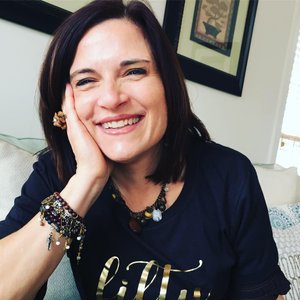
Trish D. Brewer is a certified trauma-informed Breathwork Coach and Usui/Holy Fire® III Reiki Master Teacher. She helps people committed to real, lasting change release stored stress, move through old patterns, and reconnect with themselves. She came to this work through her own body, not just a textbook. A medical emergency pushed her to stop putting her own healing last, and this experience shapes how she works with every client today. She is the co-author of Hot Mess to Hot Mom, We Lead Volume 2 and Volume 3, and 100 Poems and Possibilities for Healing, Volume 2.